
3m True Definition Scanner User Manual
.The iTero Element 5D scanner is not available for sale in the United States. ITero Element 5D is currently available in: Canada, European Union, and any other country that accepts CE marking, including Australia, New Zealand and Hong Kong. 3M™ APR DRG Classification System Definitions Manuals. The APR DRG Definitions Manual contains proprietary information and is only available to licensed 3M APR DRG customers. If you already license 3M APR DRG software you can access the ICD-9 and ICD-10 definition manual for free on the 3M HIS Support website. If you license 3M APR DRG.
Common Treatments | Surgical Orthodontics | TADs | Clear Aligners | PROPEL Orthodontics | ClearCorrect™ | 3M™ True Definition Scanner
Advanced Technology for Lasting Impressions
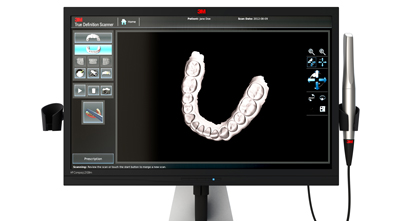
As in most other areas of our lives, oral care is going “digital.” By choosing the 3M™ True Definition Scanner, your doctor is using digital technology to give you the best possible care. The 3M™ True Definition Scanner is a digital intraoral scanner that captures a 3D video “impression” or model of your teeth. This impression is used to produce appliances and clear aligners.
The 3M™ True Definition Scanner is:
- Accurate: Resulting in nicer looking, better fitting appliances
- Fast: Small, lightweight wand for fast, easy scanning
- Comfortable: Especially for anyone with a low tolerance for traditional impressions
Types of Appliances


3M™ True Definition Scanner digital impressions can be used to make a wide variety of orthodontic appliances, including:
- Braces
- Clear aligners
- Spring aligners
- Retainers
What to Expect
3m Tru Def Scanner Support
3m True Definition Scanner Support
- Step 1: Your doctor or clinician simply moves the scanner around your mouth, capturing video of all sides of the teeth and gums.
- Step 2: You can watch the 3D model of your teeth appear on the monitor in real time. When the scan is complete, you and your doctor can review, zoom in or out, and rotate the image to get a true picture of your oral anatomy, so you can ask questions and better understand what’s being done.
- Step 3: The orthodontist will use the 3D image of your teeth to determine the best treatment options for you and how they will get you to your final result.
- Step 4: Should you choose a customized appliance, like customized lingual braces or aligners, your doctor will send this digital impression to a lab who will make your appliance.